Tag Archives: Fast Company

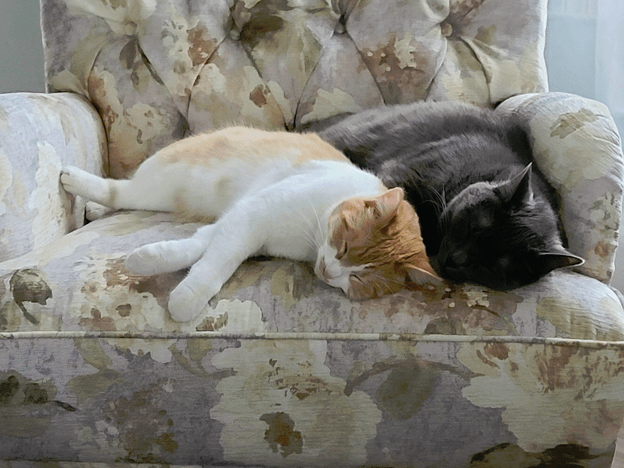
This is What Your Overactive Brain Needs to Get a Good Night’s Sleep

Hint: Don’t Netflix and chill.

https://getpocket.com/explore/item/this-is-what-your-overactive-brain-needs-to-get-a-good-night-s-sleep?utm_source=pocket-newtab

Fast Company

  • Tara Swart
Photo by Pinky

You already know how much better you feel after a good night’s sleep, but sleeping well helps your brain in less apparent ways than just not being groggy the next day. In fact, getting seven to nine hours of sleep each night can help secure your cognitive well-being.

In the short term, it gives your brain time to flush out refuse matter that builds up–like protein plaques and beta amyloid tangles–through a kind of waste chute called the glymphatic system. And over the long term, that can help stave off diseases like Alzheimer’s. So it pays to know a few tricks and habits to help yourself along to the land of nod. For starters, here’s what to avoid:

No More Nightcaps

It’s all too easy to slip into a routine of having a glass or two of wine each evening, and you wouldn’t be alone in thinking this helps you unwind and sleep better. But what you might not realize is how significantly impaired the quality of your sleep is when you drink.

Alcohol is a depressant and neurotoxin, which means it slows down the central nervous system’s processes by reducing electrical conductivity in the brain. This means that neurons, which send and receive the electrical signals that cause the release of neurotransmitters, operate more slowly. In fact, if you spent the evening drinking and then went to sleep wearing a heart-rate variability monitor, it would show significantly increased levels of stress for your body while you slept.

That’s thanks to the body’s physiological response when it’s trying to break down a toxin, the liver works harder when it should be resting, leading to a stressed state from which you’ll wake up feeling exhausted. Throughout the night, as the liver uses a higher proportion of the body’s energy than usual, the brain is starved of its usual resources and struggles to recuperate effectively for the next day.

Don’t Netflix and Chill

Many people like watching TV to relax after a long workday, and while that might help distract you from your daily worries, it doesn’t prepare your brain for a good night’s rest. Melatonin, the hormone that helps regulate sleep, is released into the bloodstream by the pineal gland. But darkness triggers the gland to start working, and it gets confused by the blue light that most screens emit.

Many people have heard of this issue when it comes to their smartphones, but it may not be enough to set aside just that device and not others. Even reading an e-book on a tablet or certain kinds of e-reader, or just watching ordinary television, can be potentially problematic. Try reading paper books and make sure you stop looking at all your devices’ screens for at least an hour before you hit the hay.

(Not sure what to do instead? For what it’s worth, sexual intimacy leads to the release of the bonding hormone oxytocin, which makes you feel comfortable and lowers your guard–helping to ease you into a good night’s sleep.)

Skip the Late-Night Snack

Eating a large, heavy meal is also a bad idea, especially acidic, spicy, or fatty foods, which can actively stimulate the brain. Certain foods like bacon and preserved meats, soy sauce, some cheeses, nuts, tomatoes, and red wine contain a chemical called tyramine, which causes the release of norepinephrine, a brain stimulant that boosts brain activity. Even some milky drinks, which many believe to be sleep-inducing, contain high quantities of sugar that can also keep you up. So make sure you check the label and choose your dinner carefully.

Now that you’ve cut these habits from your evening routine, what should you add to it instead? Here are a few good options for improving both the quality of your sleep and reducing the time it takes your brain to power down for the night.

Smell Some Lavender

Lavender is a powerful neuromodulator, which means that it lowers your blood pressure, heart rate, and skin temperature, making you more relaxed and likelier to fall asleep. Smell has a powerful and immediate impact on emotion and mood because of the proximity of the olfactory nerve (which contains the sensory nerve fibers relating to smell) to the brain.

There’s also an associative quality to regularly smelling lavender before you sleep. If you make this a habit, it will signal to your brain that it’s time to wind down (once you’ve established this association, you can tap into it on the road, too; just throw some lavender in your travel bag). If you don’t like lavender, jasmine is a good alternative and can produce similar effects.

Drink Nut Milk With Turmeric

Rather than buying a powdered milky drink that’s high in sugar, you can make your own relaxing bedtime drink using a nut milk, like almond, which is full of magnesium. Magnesium helps reduce levels of the stress hormone cortisol and calms the nervous system.

As a secret ingredient, add turmeric, whose powerful anti-inflammatory properties can prevent nighttime stomach problems that might interrupt your sleep (and which have even been implicated in preventing dementia). If you want to sweeten your drink, use Manuka honey rather than sugar to help boost your immunity.

Have a Soak

Circadian rhythms are our bodies’ series of physical, mental, and behavioral changes. They follow a roughly 24-hour cycle and depend primarily on how bright our environment is. Because of these rhythms, our body temperature automatically dips a couple of degrees at night, causing us to feel sleepy.

So when you take a hot bath–ideally 60–90 minutes before bedtime–your body temperature rises, but the rapid, steeper cool-down period immediately afterward relaxes you. And since the best way to increase your magnesium levels is actually through your skin, you can try adding magnesium salts to your bath to decrease cortisol levels. You should also make sure your bedroom isn’t too hot and stuffy once you get out of the bath. A cooler room can help reduce your body heat by the couple of degrees needed to drift off.

While falling asleep might seem like a passive process, there’s a whole cocktail of neurotransmitters involved in it, including histamine, dopamine, norepinephrine, serotonin, glutamate, and acetylcholine. But that means there are many physiological “levers” you can pull on your way to a better night’s sleep. Get your evening routine right, and you’ll be able to enjoy the spoils that come with it–better concentration, memory, and moods, enhanced creativity, and reduced inflammation and stress.

Dr. Tara Swart is a neuroscientist, leadership coach, author, and medical doctor. Follow her on Twitter at @TaraSwart.

Leave a comment

Filed under 2020, writing tip

Why these 4 habits are bad for your brain

Neuroscientist Tara Swart argues that snacking and comparing yourself to someone else can lessen your cognitive functions.

Source: Why these 4 habits are bad for your brain

By Tara Swart 5 minute Read

If someone asks you how you spend your time when you’re not at work, do you know where most of your day goes? It still surprises me that most busy people have their workday mapped out meticulously, yet they don’t realize how their time outside of work slips away. Partly, this is a consequence of the increasingly blurred lines that now exist between work and home. And partly, it’s a result of the fact that the tasks that take up time in our personal and home lives are difficult to quantify and account for.

But there is a more insidious reason for the time vortex. Many of us unknowingly fall into “harmless” habits that eat into our day. You probably don’t even realize that you’re doing them. If you are, you’re probably only marginally aware that they are a distracting drain on resources.

Here are the four habits that are probably lessening your cognitive function:

Checking the headlines

Most of us like to know what’s going on in the world. Once upon a time, we’d wait for the evening news or the next day’s headlines in the morning newspaper. However, now we can access breaking news anywhere and anytime from our phones. This setup has conditioned us to check in all the time to find out what’s happening and remind us to stay informed.

Most people understand that setting some boundaries around social media is a good idea. They switch off notifications, take breaks from particular apps, and designate a set time of day to check feeds.

However, they don’t apply the same self-discipline when it comes to checking news apps. A 2018 survey sponsored by global technology solutions company Asurion shows most of us check our phones every 12 minutes. And it isn’t just time that your news habit steals.

A number of my neuroscience colleagues actively avoid the news because they recognize that its negativity—and their impotence to do anything about most of what they hear—can lead to a sense of hopelessness. It saps mental energy and focus. In a study by the American Psychological Association, 56% of people said that following the news caused them stress. Opting out of following the news won’t work for everyone—I’d suggest setting some clear boundaries around it. Consider deleting, even for a while, apps that you’re tempted to open all the time.

Toxic comparison

Toxic comparison is a habit that’s as old as time. Sure, social media has given us more raw materials to compare to, but there’s nothing new about the urge to compare. As humans, we’re hardwired to compare ourselves to others in our group; to benchmark our successes and failures against others. It’s an evolutionary hangover from times when we lived in tribes and understanding our place in the social order was key to survival.

Nowadays, comparing ourselves to others is more likely to keep us stuck. This is whether we’re doing what psychologists call downward comparison (comparing ourselves to those less fortunate) or upward comparison (comparing ourselves to those we envy.) Both of these types of comparison can be bad for the brain. Downward comparison activates the brain’s “lack” network, emphasizing our insecurity and focuses on safeguarding the status quo at the expense of risk and adventure. Upward comparison can excite feelings of envy and low self-esteem.

To break free from the temptation to compare, you need to audit your social media feeds. That means deleting anyone whose posts make you feel envious. If you find that you’re comparing yourself to a particular friend, then it might be smart to mute them. If you haven’t already, set limits around social media, and do regular digital detoxes.

If you find yourself thinking about how your life matches up to a friend’s when you’re not on social media, try to shift your perspective. Think about their human traits, vulnerabilities, and things that you have in common. When you change your mindset, you can move from a place of jealousy to a place of empathy.

Comfort eating

The phrase “comfort eating” conjures an image of one consuming a pint of Ben & Jerry’s in their pajamas. But comfort eating can also be triggered by boredom: it’s something to do when we’re idle. Eating can also be a self-soothing activity. For some people, food is a coping mechanism for stress or anxiety.

So how do you change a habit that’s deeply rooted in emotions? The first trick is to notice you’re doing it. Try to keep a diary on your phone for a few days, noting whenever you find yourself reaching for a snack. Can you spot any patterns? Do you feel the urge to eat when you are bored, procrastinating, upset, or angry? When you notice your cues and responses, you’ll learn to pause before you eat, rather than doing it automatically.

It’s also important to remember that unhealthy foods are addictive. Eating foods high in sugar and fat conditions us to crave more of the same, and those kinds of foods do little for your brain function. When you do eat, make sure to fill up on nutrient-dense foods. Not only will you find them more satiating, but they’ll also give you a cognitive boost.

Multitasking

When you’re trying to juggle what seems like a million responsibilities, multitasking might seem like a necessary evil. But research shows that when we multitask, our brains suffer. Each time we try and batch unrelated tasks together, we tax our brain and use up energy in the transition. The more complex the tasks we are switching between, the higher the cognitive cost.

To stop making multitasking a habit, you need to set boundaries around what you will be working on when. Give yourself longer chunks of time to complete one thing at a time, and shut down other distractions such as email when you’re working on something.

On their own, these habits might seem harmless. But if you do them repeatedly, they can ruin your cognitive function in ways you don’t realize. Pay attention next time you find yourself doing any of these things, and ask yourself if there’s a better habit that can go in its place. Your brain will thank you.

Tara Swart is a neuroscientist, executive adviser, author, and medical doctor. Her book, The Source: The Secrets of the Universe, The Science of the Brain, is out in the U.S in October.

Leave a comment

Filed under 2019, brain, writing tip

These 10 songs are scientifically guaranteed to chill you out

Feeling stress over your writing? Maybe a little relaxing will help. Sound therapies have long been used to help us cope.

Source: These 10 songs are scientifically guaranteed to chill you out

fastcompany.com

Neuroscience says listening to this song reduces anxiety by up to 65%

By Melanie Curtin

4 minutes

Everyone knows they need to manage their stress. When things get difficult at work, school, or in your personal life, you can use as many tips, tricks, and techniques as you can get to calm your nerves.

So, here’s a science-backed one: make a playlist of the 10 songs found to be the most relaxing on earth.

Sound therapies have long been popular as a way of relaxing and restoring one’s health. For centuries, indigenous cultures have used music to enhance well-being and improve health conditions.

Now, neuroscientists out of the UK have specified which tunes give you the most bang for your musical buck.

The study was conducted on participants who attempted to solve difficult puzzles as quickly as possible while connected to sensors. The puzzles induced a certain level of stress, and participants listened to different songs while researchers measured brain activity as well as physiological states that included heart rate, blood pressure, and rate of breathing.

Related: What Music Does To Our Brains

According to Dr. David Lewis-Hodgson of Mindlab International, which conducted the research, the top song produced a greater state of relaxation than any other music tested to date.

In fact, listening to that one song — “Weightless” — resulted in a striking 65 percent reduction in participants’ overall anxiety, and a 35 percent reduction in their usual physiological resting rates.

That is remarkable.

Equally remarkable is the fact the song was actually constructed to do so. The group that created “Weightless”, Marconi Union, did so in collaboration with sound therapists. Its carefully arranged harmonies, rhythms, and bass lines help slow a listener’s heart rate, reduce blood pressure and lower levels of the stress hormone cortisol.

When it comes to lowering anxiety, the stakes couldn’t be higher. Stress either exacerbates or increases the risk of health issues like heart disease, obesity, depression, gastrointestinal problems, asthma, and more. More troubling still, a recent paper out of Harvard and Stanford found health issues from job stress alone cause more deaths than diabetes, Alzheimer’s, or influenza.

In this age of constant bombardment, the science is clear: if you want your mind and body to last, you’ve got to prioritize giving them a rest. Music is an easy way to take some of the pressure off of all the pings, dings, apps, tags, texts, emails, appointments, meetings, and deadlines that can easily spike your stress level and leave you feeling drained and anxious.

Of the top track, Dr. David Lewis-Hodgson said, “‘Weightless’ was so effective, many women became drowsy and I would advise against driving while listening to the song because it could be dangerous.”

So, don’t drive while listening to these, but do take advantage of them:

  1. We Can Fly,” by Rue du Soleil (Café Del Mar)
  2. Canzonetta Sull’aria,” by Mozart
  3. Someone Like You,” by Adele
  4. Pure Shores,” by All Saints
  5. Please Don’t Go,” by Barcelona
  6. Strawberry Swing,” by Coldplay
  7. Watermark,” by Enya
  8. Mellomaniac (Chill Out Mix),” by DJ Shah
  9. Electra,” by Airstream
  10. Weightless,” by Marconi Union

I made a public playlist of all of them on Spotify that runs about 50 minutes (it’s also downloadable).

There’s also a free 10-hour version of “Weightless” available if you want a longer listening experience.

Leave a comment

Filed under 2018, abbreviations, Sunday story